
The Craft
© Art in design isn’t ornament — it’s emotion given direction.
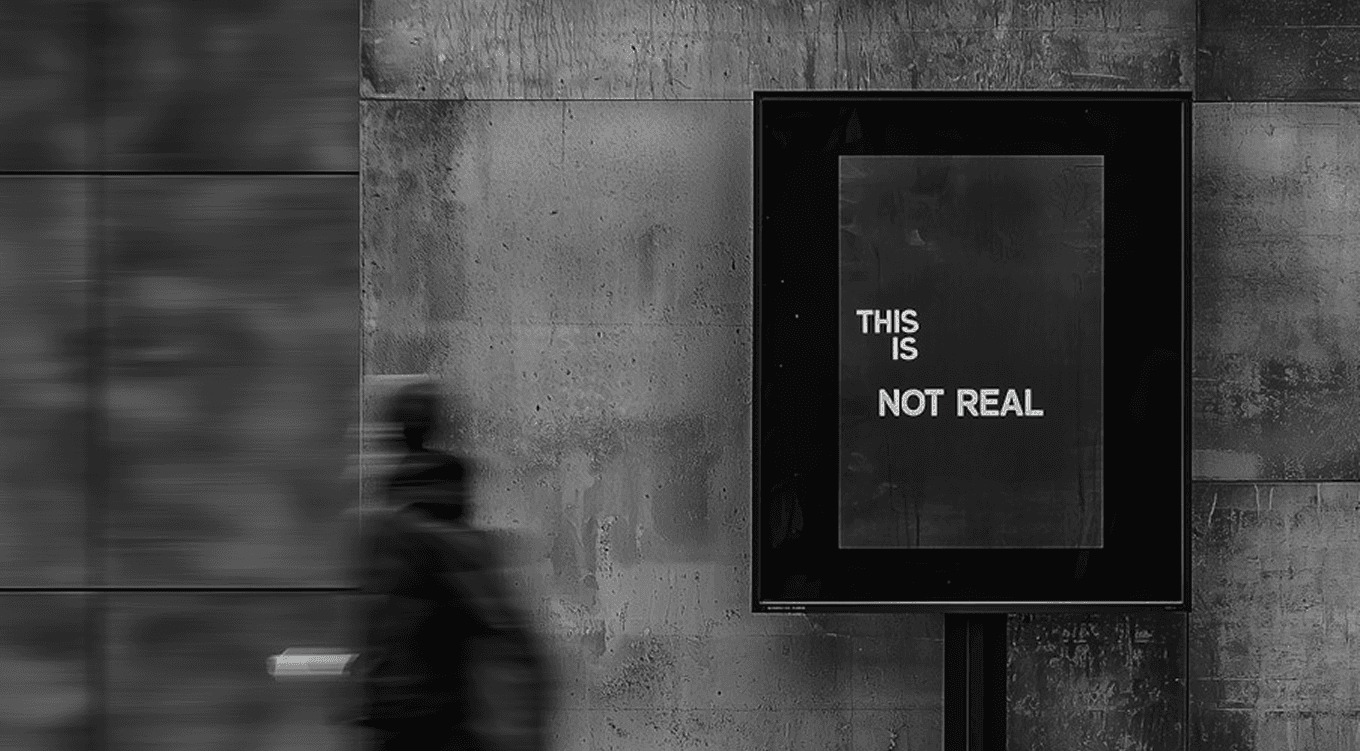
Expressing Emotion Through Design
Visual design is more than aesthetics — it’s a language that conveys emotion, intent, and meaning. Every shape, line, and color influences how users connect, perceive, and respond. Great design goes beyond appearance; it resonates — guiding attention, evoking feeling, and creating intuitive harmony between form and function.
Visual design has evolved from mere aesthetics into a medium for problem-solving. Today’s designers think beyond beauty — creating visuals that inform, guide, and build trust. In an overwhelming digital landscape, the most powerful designs are those that communicate with purpose and clarity, cutting through noise to make meaning.
Harmonizing Color, Form, and Composition
The essence of visual storytelling lies in balance — between contrast and harmony, motion and calm. Designers use composition, rhythm, and flow to capture attention and inspire emotion. From a brand identity to a digital interface, visual design holds the power to influence perception within moments.
Storytelling Through Layered Visual Hierarchy
Emotion-Led Color Palettes with Purposeful Contrast
Typography Scaling to Build Rhythm and Readability
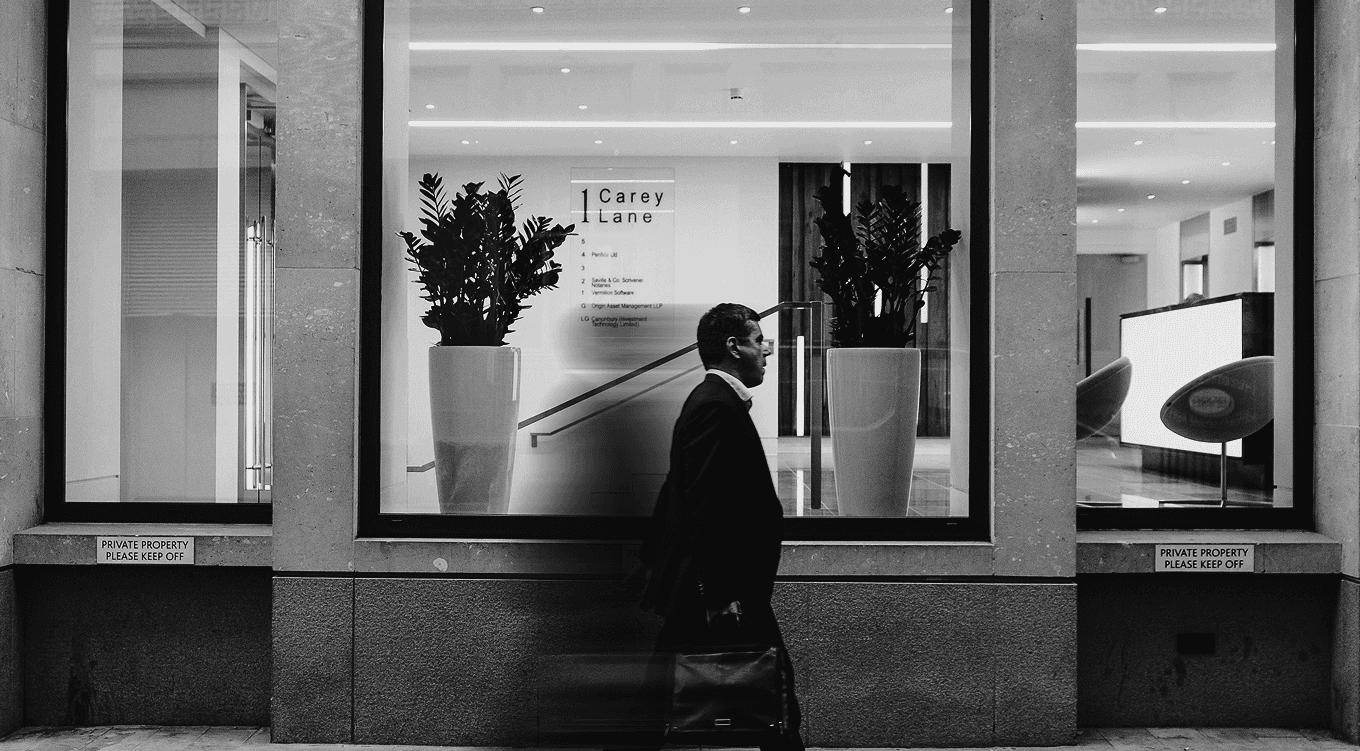
The Psychology of Visual Influence
Modern designers act as visual composers, uniting imagery, motion, illustration, and typography to create meaningful experiences. The aim isn’t to impress but to express — with honesty, precision, and depth. In a content-heavy world, the art of visual design helps brands stand out by communicating more through simplicity and intent.
Modern visual design thrives on restraint. It embraces flat structures, gentle gradients, and intentional spacing — not for the sake of minimalism, but to direct focus. Its true strength lies equally in omission and expression, revealing clarity through what it chooses to leave unseen.