
Minimal is Meaningful
© The journey from idea to interface is a process of deliberate refinement.
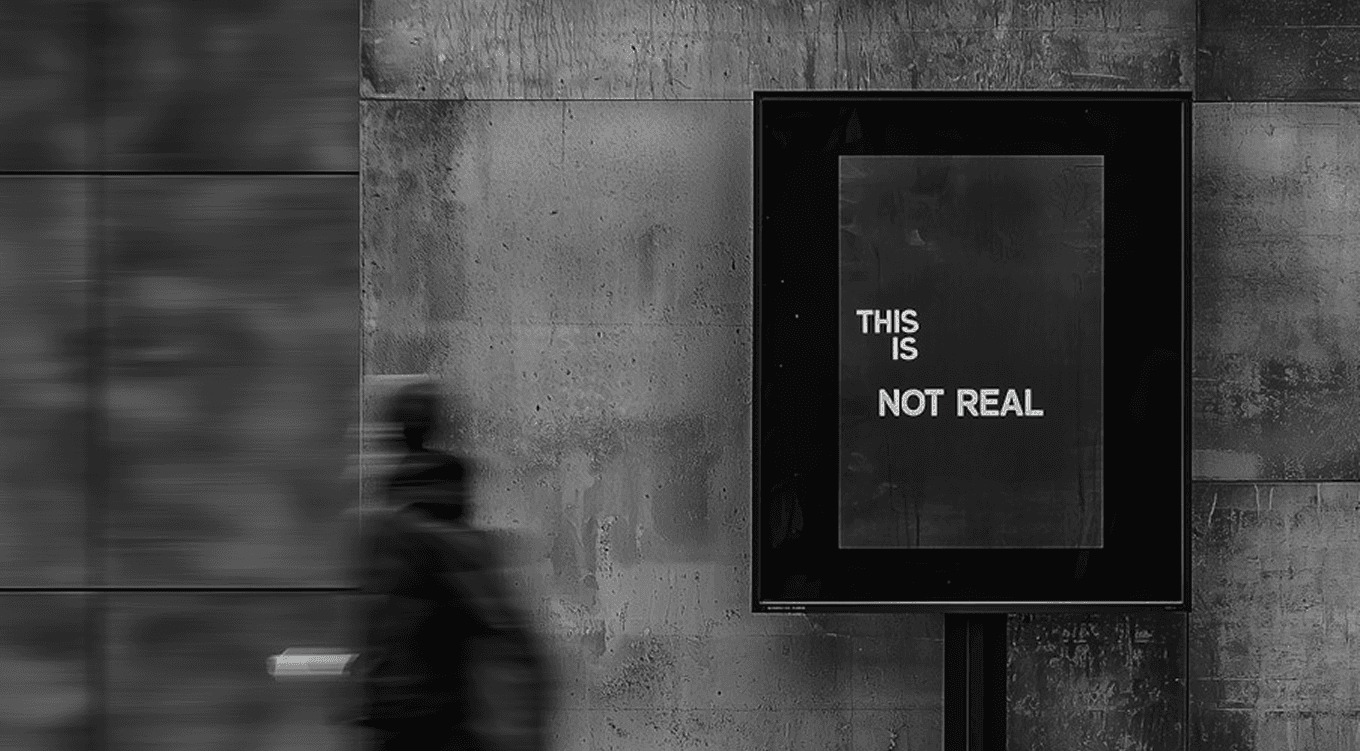
The Art of Negative Space
Minimalist UI goes beyond aesthetics — it’s a mindset built on clarity and intention. Modern interfaces are crafted to remove distractions and direct focus to what truly matters. Through simplified layouts and clean structure, designers create trust, balance, and effortless interaction.
Minimalism in 2025 is no longer seen as absence — it’s understood as a mark of intelligence. A minimal interface communicates with precision, free from distractions or excess. It’s the art of doing more with less — removing the unnecessary so that what remains feels stronger, clearer, and more intentional.
Purposeful Simplicity in Design Language
Whitespace isn’t empty — it’s a strategic element of design. It allows content to breathe, creating interfaces that feel open, balanced, and accessible. Combined with refined typography, soft palettes, and flat iconography, minimalism expresses elegance and efficiency without excess. This thoughtful restraint enhances usability while strengthening brand identity.
Ample Whitespace Shaping User Flow
Balanced Typography Combined with Subtle UI Tones
Icons Refined to Their Purest Functional Form
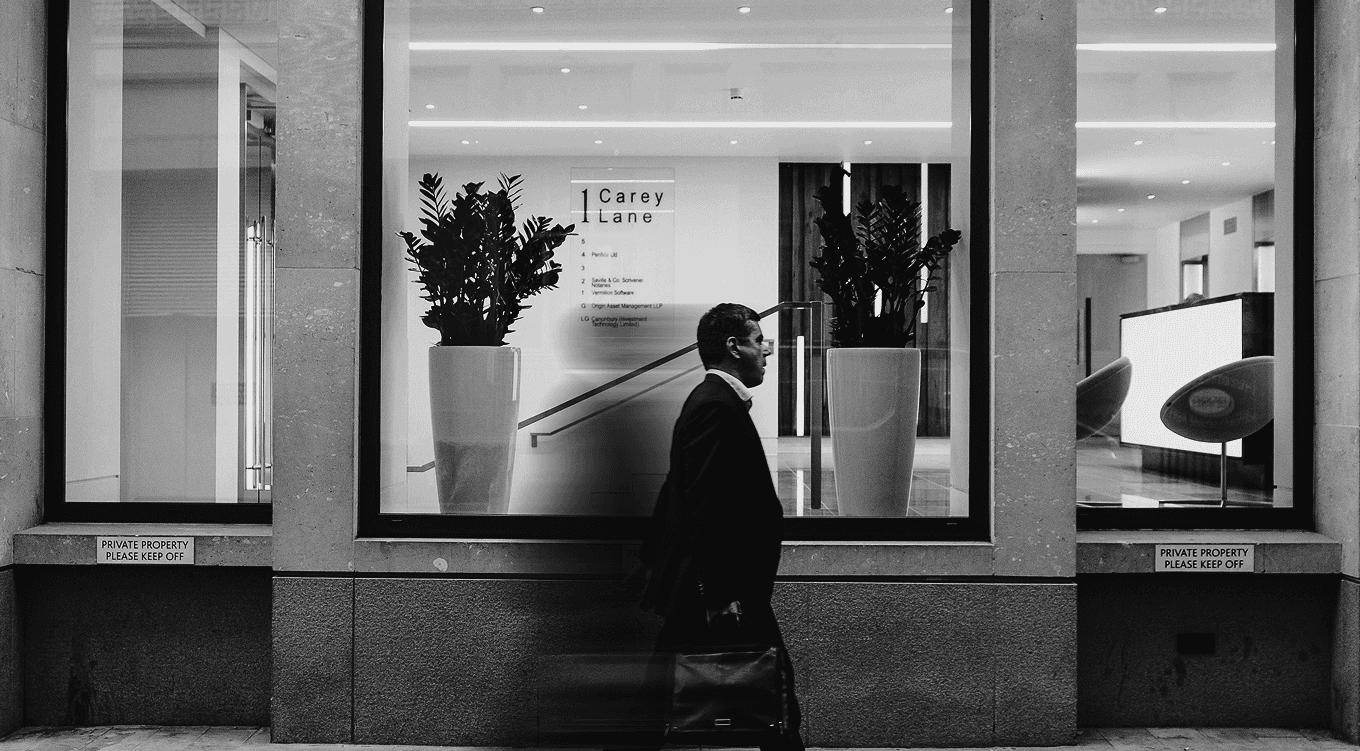
Less as More: Visual Clarity Meets Functionality
Typography defines the essence of this movement. Designers are embracing clean, neutral typefaces with open spacing to enhance readability and comfort. The outcome is interfaces that feel refined, contemporary, and human-focused. Minimalism isn’t about removal — it’s about refinement, elevating the essentials, and creating more through thoughtful simplicity.
Modern minimalist UI is driven by intention. Every line, icon, and color serves a defined purpose within the user experience. Whitespace, once considered empty, now acts as structure — organizing content, reducing friction, and promoting meaningful interaction.